
In Dubai’s relentless heat, air conditioning isn’t a luxury—it’s a necessity. Whether you’re at home, in the office, or out shopping, AC units are always running to keep indoor spaces cool and comfortable. But if you’ve ever noticed an odd, unpleasant smell when you turn on your AC, you’re not alone. This issue is surprisingly common in Dubai. So, what’s behind those bad odors, and more importantly, how do you get rid of them?
Common Reasons Your AC Smells Bad in Dubai
Dirty or Clogged Air Filters
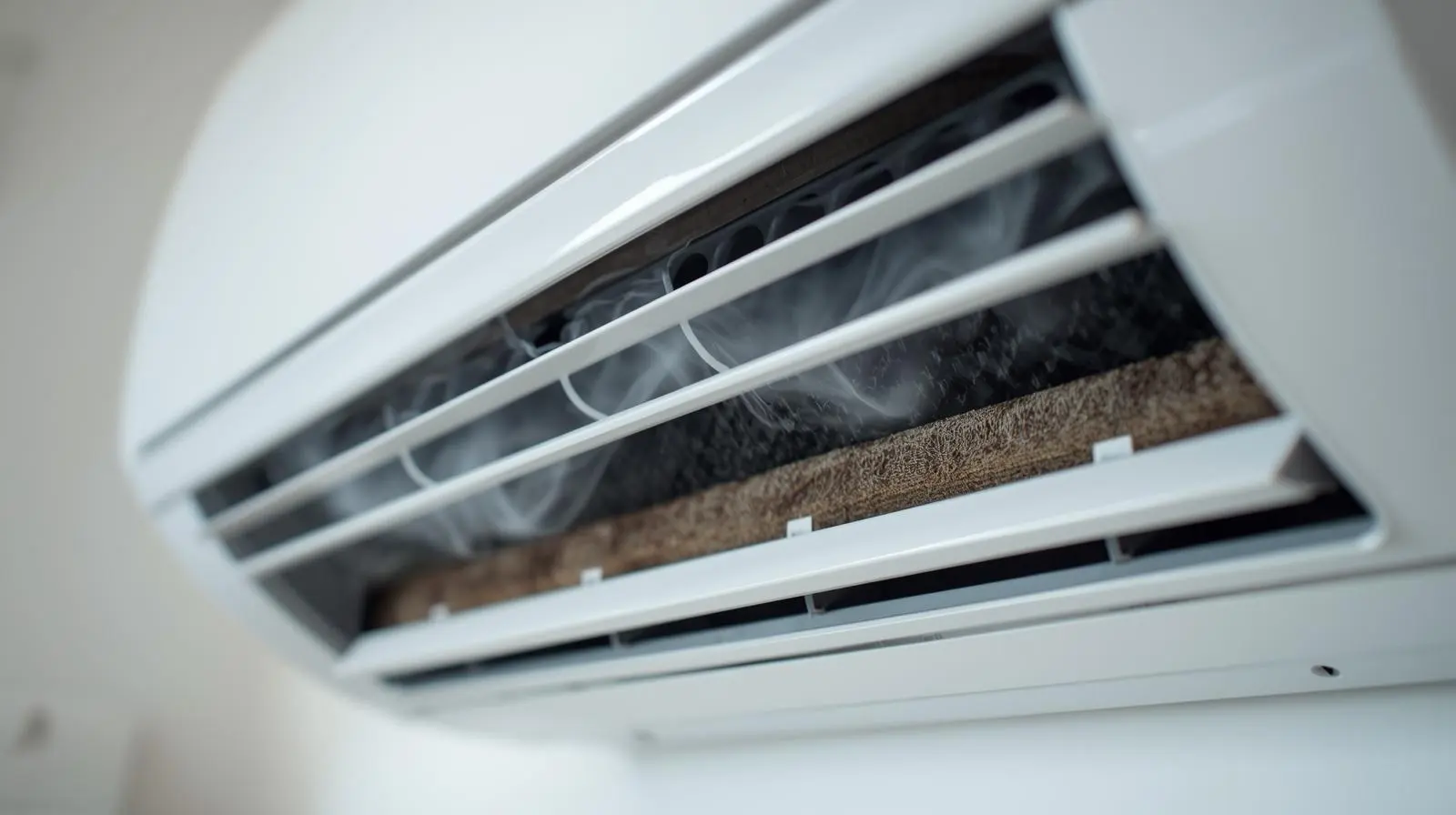
One of the most frequent causes of foul AC odors is a dirty air filter. These filters are designed to trap dust, dirt, and other particles from the air before it’s circulated indoors. But when they’re not cleaned or replaced regularly, they can become clogged and musty. Over time, the buildup can create a damp environment perfect for bacterial growth—resulting in that unpleasant smell.
Excess Moisture and Poor Drainage
Dubai’s high humidity means your AC system constantly deals with condensation. If the drainage system isn’t functioning properly, water can build up inside the unit. This stagnant moisture often leads to mold or mildew growth, which is a major culprit behind that musty, damp smell.
Mold and Mildew Growth
When condensation forms on the coils and within ductwork, it can become a breeding ground for mold and mildew—especially if ventilation is poor. These fungi release volatile organic compounds (VOCs), which cause that familiar “wet sock” odor. Since many AC ducts in Dubai are hidden within ceilings or walls—including areas with false ceiling work or gypsum partitions—mold can build up unnoticed for months.
Pests Inside the Ducts
Though it might sound extreme, small pests like rodents or insects sometimes find their way into duct systems. If they get trapped and die inside, the decomposition creates a particularly strong and unpleasant odor.
Electrical or Chemical Smells
An acrid, burnt smell could indicate overheating electrical components—something not uncommon with AC systems in Dubai that operate almost non-stop. Worn-out wires, burnt insulation, or overheating capacitors need immediate attention, not just to eliminate the smell but to prevent safety hazards.
Health Risks of Ignoring AC Odors
A smelly air conditioner isn’t just annoying—it can also pose real health risks, especially for children, seniors, or anyone with respiratory issues.
Mold Spores: These can trigger asthma, allergies, and breathing difficulties.
Chemical Fumes: Long-term exposure to burnt wiring or refrigerants can cause headaches, nausea, and neurological symptoms.
Bacterial Contamination: Standing water and dirty filters promote bacteria, which can lead to infections or worsen existing health issues.
Poor Indoor Air Quality: Musty or polluted air can irritate your eyes, throat, and skin over time.
How to Get Rid of AC Odors: A Step-by-Step Guide
Living in Dubai means your AC works harder than most. If it starts to smell, act quickly to keep your home safe and comfortable. Here’s what you can do:
1. Turn Off the AC and Inspect
Begin by switching off your unit. Check air vents, filters, and any accessible areas for visible dirt, mold, or water buildup.
2. Clean or Replace the Filters
Most AC odor problems start here. If your filters are reusable, rinse them with warm water and a mild detergent. If they’re too worn out or disposable, replace them. Clean filters significantly reduce odor and improve airflow.
3. Check the Drainage System
A clogged drain pipe can cause water to accumulate and smell. Use a wet vacuum or a thin wire to clear any blockages. Make sure water drains freely.
4. Wipe Down Coils and Vents
Use a soft cloth and a mild cleaner to gently clean the evaporator coils and air vents. Avoid harsh scrubbing, which could damage components.
5. Use a Professional Coil Cleaner or Disinfectant Spray
For deeper cleaning, consider using specialized AC coil cleaners or antibacterial sprays. Follow product instructions carefully to avoid damaging the unit.
6. Improve Ventilation
Open windows when possible or use exhaust fans to reduce indoor humidity. Better ventilation slows mold and mildew growth.
7. Call a Professional
If the smell persists after your own cleaning efforts, it’s time to bring in an HVAC expert. They can diagnose hidden issues, clean the system thoroughly, and make necessary repairs.
How Often Should You Service Your AC in Dubai?
In Dubai’s extreme climate, regular AC maintenance isn’t optional—it’s essential. With units running almost non-stop, sand, dust, and moisture build up fast. For optimal performance and health benefits, aim to have your AC professionally serviced at least twice a year—ideally before summer and again before winter. If you use your AC daily, quarterly maintenance is even better.<
What’s Included in a Standard AC Service?
- • Cleaning or replacing air filters
- • Deep cleaning of evaporator and condenser coils
- • Checking refrigerant levels and topping up if needed
- • Clearing and inspecting the drainage system
- • Testing electrical components like wiring, motors, and capacitors
- • Inspecting and sealing ductwork for leaks or mold
- • Lubricating moving parts to reduce friction and wear
- • Calibrating the thermostat and ensuring proper airflow
- • Treating for mold and bacteria with safe, antimicrobial sprays
Choosing the Right AC Maintenance Provider in Dubai
Why consider One Stop Facilities?
- • Fast response times, especially during peak summer
- • Certified technicians experienced with Dubai’s climate challenges
- • Transparent pricing with no hidden fees
- • Full-service offerings including emergency AC repairs and scheduled maintenance
- • Eco-friendly, safe cleaning products
- • Honest, thorough inspections with actionable recommendations
- • Flexible service plans for both homes and businesses
- • Friendly customer support with post-service follow-ups
- • Strong reputation among local residents
- • Focus on long-term solutions, not just quick fixes
Preventive Tips to Keep Your AC Smelling Fresh All Year
- • Schedule professional duct cleaning twice a year (NADCA-certified).
- • Clean or replace filters every month during high-use periods.
- • Run your AC on fan-only mode for 10–15 minutes weekly.
- • Inspect and clear the condensate drain every 3 months.
- • Keep the area around your indoor unit free from dust and debris.
- • Use a dehumidifier or the AC’s dry mode during humid months.
- • Consider installing UV-C lights or activated charcoal filters.
- • Maintain airflow when the AC is off—open windows or use fans.
- • Clean vents and grilles with a damp cloth monthly.
- • Invest in sealed ductwork to prevent leaks and contamination.
Final Thoughts: A Smelly AC Is More Than Just a Nuisance
An unpleasant odor coming from your AC can ruin the comfort of your home and may signal deeper issues affecting your health and safety. Don’t wait for the problem to worsen. With regular care, smart habits, and the help of trusted professionals, you can enjoy clean, fresh air all year long—even in Dubai’s harshest summer months.
How it Work
Book services in just 3 steps

Request service

Book your slot

Get a visit from our expert
Our Blogs
Our Blogs

Why Does My AC Smell? Understanding the Common Problem in Dubai
.png)
Types of Gypsum Work in Dubai: Ceiling, Partition, Molding

2025 Villa Painting Price Guide in Dubai: Interior & Exterior Cost
Why You Should Avoid Cheap Painting Services in Dubai

AC Repair vs. Replacement: Which Costs Less in the Long Run?
How False Ceiling and Light Partitions Installation Can Transform Your Space
 (1).webp)
Understanding Gypsum Work in Dubai: A Complete Guide to Costs and Services